This blog post is written in response to Amy Johnson Crow’s invitation to participate in the 2026 52 Ancestors in 52 Weeks Challenge. Prompt for Week 2: A Record That Adds Color
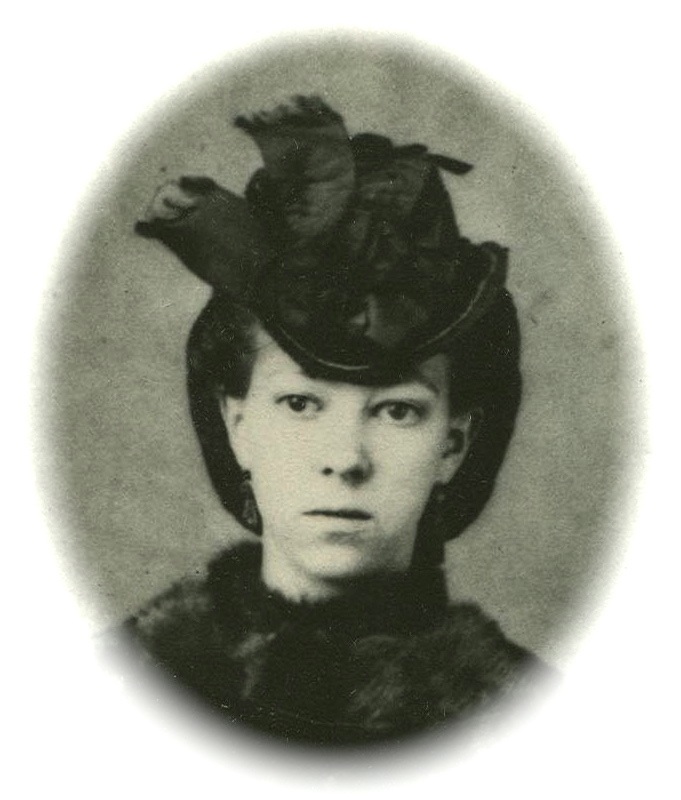
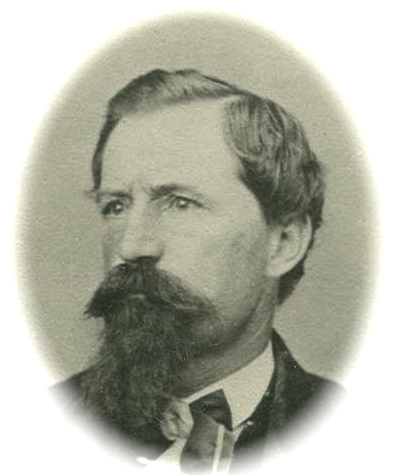
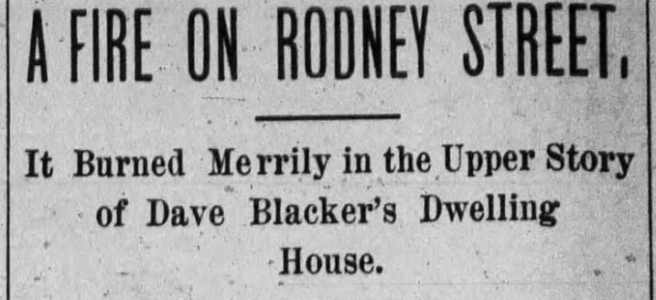
A few weeks ago, while plunging into the ancestral rabbit hole of my mom’s paternal line—her grandparents Ada and David Blacker—I unearthed a rather colorful article on page eight of the Helena Evening Herald, dated July 23, 1892. The main title, “A Fire on Rodney Street,” was certainly alarming. But the subtitle, ever the mood-setter, playfully undercut the drama: “It Burned Merrily in the Upper Story of Dave Blacker’s Dwelling House.”
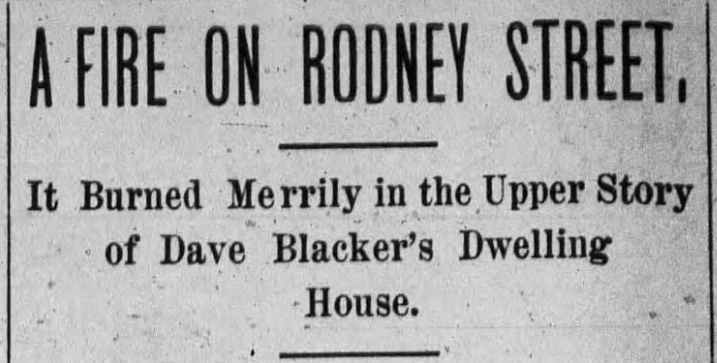
The opening line, which breathlessly declared, “A fire this morning in the residence of Dav. Blacker, 335 North Rodney street, came near proving most disastrous,” immediately grabbed my attention.
Then came the culprit. “A little child of Mr. Blacker, going on three years of age, was alone in an upper room, and by some means, it is supposed, secured possession of a match . . . [which] was ignited and fire set to the inflammable window curtains.” My immediate, slightly baffled, thought was: How did my mother, who shared every family story under the sun, never mention the time her own father nearly barbecued the family home? Perhaps it was one of those stories that got left off the syllabus.
The article goes on to explain that the parents, downstairs at the time, “heard the child scream.” They flew up the stairs to find the center bedroom enthusiastically engulfed in flames.
The newspaper’s description of the small arsonist is pure gold: “The child had evidently watched the conflagration with much wonder and interest until it severely felt the heat, then warning was given by a scream.” A budding pyrotechnician, that one!
Fast-forwarding to the rescue: the mother sprinted to the back stairway “just in time to catch the little one, which was on the point of falling down stairs.” Meanwhile, the father heroically “dashed water on the flames and soon had them subdued.”
Reading this article was an absolute roller coaster. The good news, of course, is that my grandfather was apparently uninjured—a survivor of his own childhood curiosity.
The family’s possessions were not so lucky. The fire claimed the window curtains and oil paintings, while “the carpets and other material [were also] damaged. All glass in the windows was broken by the heat, as well as a looking glass.”
In a moment of classic small-town drama, someone tried to call the fire department, but “it was found that none of the four keys in the neighborhood would fit the alarm box, strange as it may appear.” Fortunately, the department’s services were not needed that day, though the article dryly concluded that “this may not be the case in every instance, and the department should see that proper keys are furnished.” Sound advice for a 19th-century fire marshal.
A few notes on the Blacker residence itself:
- 1882: Ten years before the little firebug incident, the Montana Record Herald announced the completion of the house on Rodney Street, reporting “it will be, when completed, one of the handsomest private residences in the city.”
- 1887: The couple’s daughter Helen was born there.
- 1889: Jack “the fire-starter” was born in the Rodney Street house.
- 1898-1911: Numerous social events were held in the Blacker residence, including church sales, afternoon teas, informal “fancy work” affairs, and several weddings, including the wedding of their daughter Helen. My favorite event is the hammock party hosted by 15-year-old Helen in 1902. The Montana Record-Herald reported that “The hammocks [occupied by the girls] were strung under the trees in various parts of the yard” and “the boys went from one to another and told their story to the occupant of each. Later in the evening the girls compared notes and decided which of the boys had told the best story. Refreshments were served and music ended the pleasant evening.”
- January 1911: The house made its first of many appearances on the “Delinquent Tax List” in The Independent-Record. It is suspected, but not confirmed, that Mr. Blacker took a serious financial hit during the Panic of 1893, which may account for this turn of events.
- April 1911: David Blacker died in the house a few months after it was listed for delinquent taxes.
- March 1912: David and Ada’s daughter Helen was married in the family home.
- 1914: A tax deed was issued to Lewis & Clark County, though Ada and her daughters continued to reside on the premises.
- April 1923: The funeral of Ada’s mother, Catherine, was held in the residence.
- April 1929: The property was finally sold, and Ada and her daughters relocated to a smaller home just around the corner on 7th Avenue.
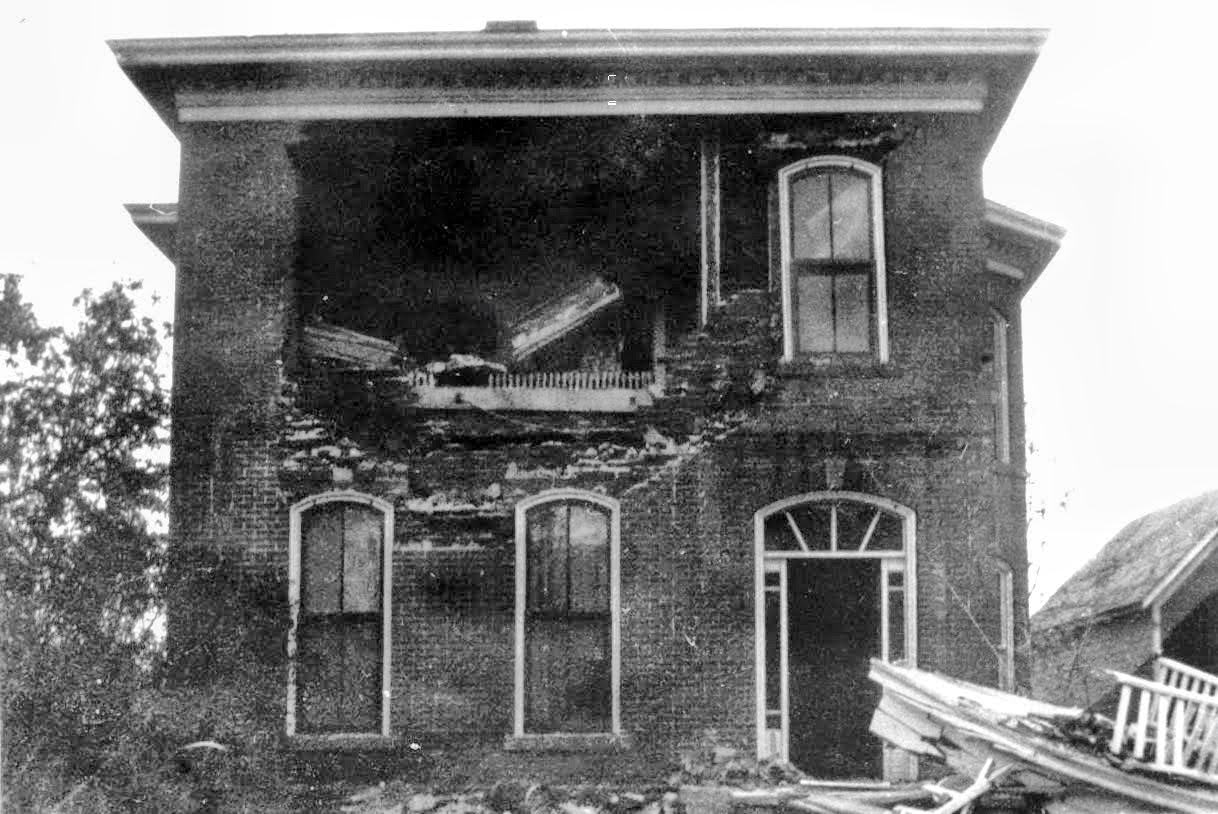
1935: On October 18th, the house sustained serious damage from a 6.2 earthquake that famously destroyed the new Helena High School and leveled the Lewis and Clark County Hospital. High schoolers had to finish the year attending classes in railroad coaches.
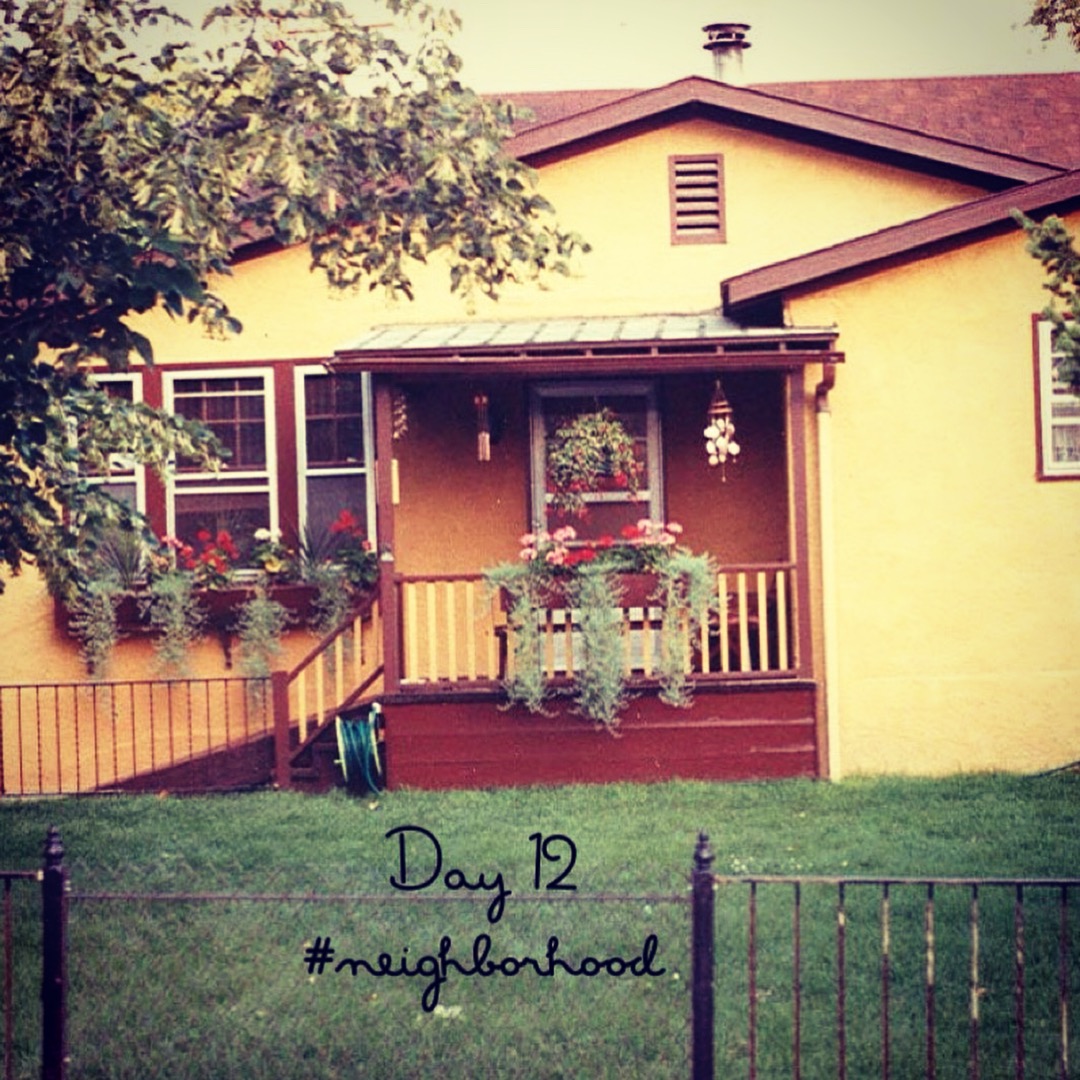
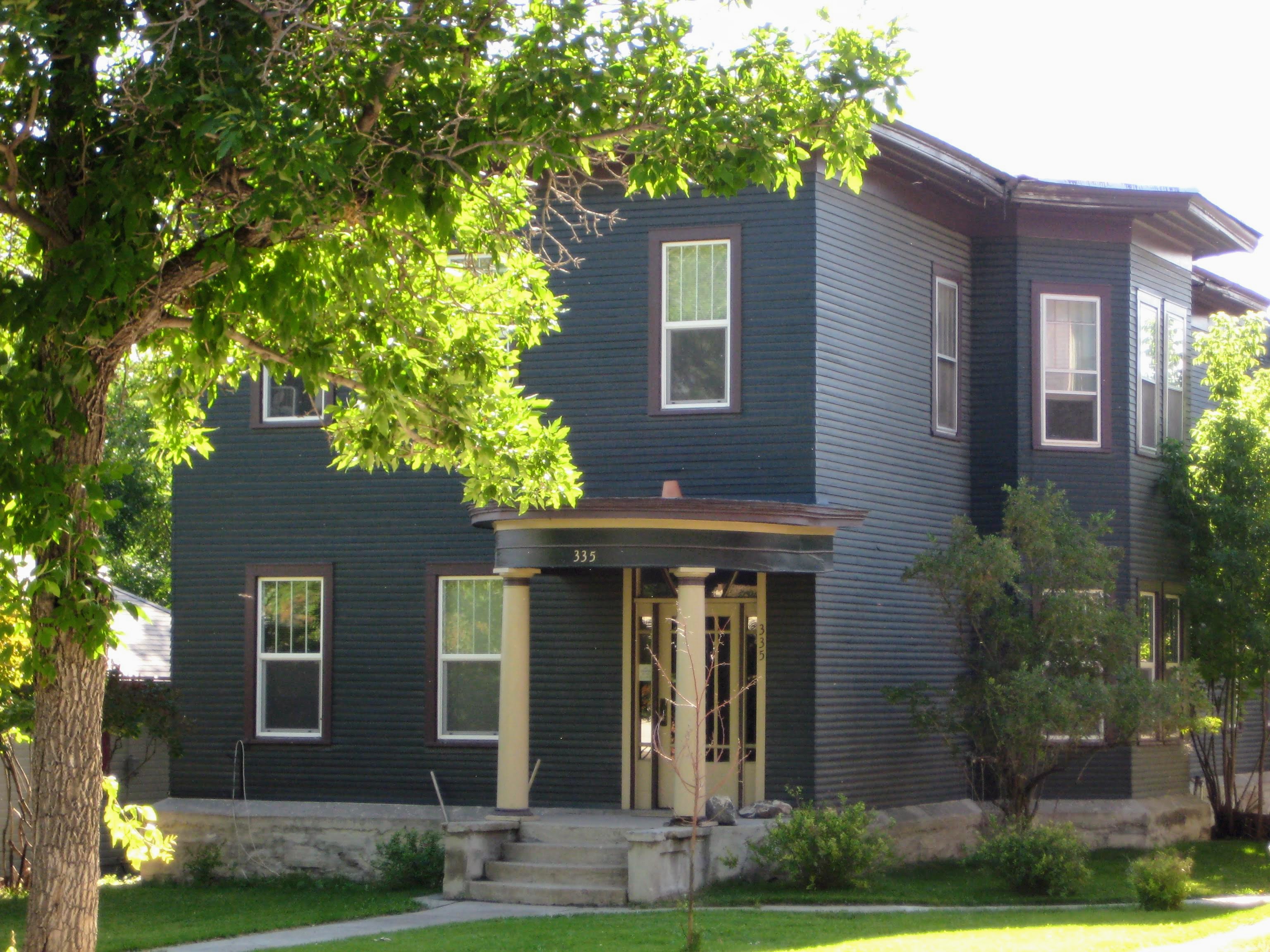
The house on Rodney Street, located in the original Helena Town Plat, was restored following the earthquake and happily stands to this day.
Sources for this story include:
- Newspapers.com – Helena Evening Herald – Helena, Montana – 23 Jul 1892 – “The Fire on Rodney Street” – Page 8
- Newspapers.com – The Montana Record Herald – Helena, Montana – 15 Aug 1882 – “On Dit” – Page 3
- Ancestry.com – 1900 United States Federal Census – birth month and year of Helen A. Blacker
- Ancestry.com – Montana, U.S., Birth Records, 1897-1988 – birth record of John David Blacker
- Newspapers.com – The Montana Record-Herald – Helena, Montana – 15 Jun 1902 – “Hammock Party” – Page 9
- Newspapers.com – The Independent-Record – Helena, Montana – 1911 Jan 30 – “Delinquent Tax List” – Page 7
- Newspapers.com – The Independent-Record – Helena, Montana – 31 Mar 1912 – “Swezey-Blacker” – Page 10
- Newspapers.com – The Independent-Record – Helena, Montana – 4 Aug 1929 – “County Given Tax Deed in 1914; Are Unpaid City Taxes Lien, Courts Asked” – Page 1
- Newspapers.com – The Montana Record-Herald – Helena, Montana – 23 Apr 1923 – “Burial Rites Held for Mrs. Buchenau”
- 1935 image of earthquake damage to house on Rodney – “Earthquake Gallery” – courtesy of “Helena As She Was” website at http://helenahistory.org/
- Recent photo of house on Rodney taken by author – 15 Aug 2008
Author note: Future generations should know that this piece was created during a time of technological transition. Artificial Intelligence was in the infant stages. AI assisted in editing of this story. Research, interpretation and storytelling reflect the author’s work, curiosity and dedication to preserving the Blacker/Buchenau Family Legacy.
I hope you enjoyed it!
~ Lark